Seba.Health
Key Takeaways
- Felitti and colleagues establish that adverse childhood experiences — abuse, neglect, and household dysfunction — are staggeringly common (over half the sample reported at least one ACE) and exhibit a graded dose-response relationship with adult disease: the more ACEs, the higher the risk for heart disease, cancer, chronic lung disease, liver disease, depression, substance abuse, and premature death.
- The ACE Study demonstrates that childhood trauma is not a psychological specialty concern but a public health epidemic: the leading causes of adult morbidity and mortality are substantially attributable to experiences that occurred decades earlier in childhood, mediated by both behavioral risk factors (smoking, substance use, obesity) and direct neurobiological pathways (chronic stress, inflammation, immune dysregulation).
- The study's most radical implication is that much of what medicine treats as 'lifestyle disease' is actually the long-term somatic consequence of childhood trauma — reframing heart disease, addiction, and obesity from individual behavioral failures to predictable outcomes of developmental adversity.
The Study That Changed Everything
Felitti and colleagues’ 1998 paper is one of the most consequential publications in the history of public health, and its implications for depth psychology are as profound as they are underappreciated. Working with over 17,000 participants in a Kaiser Permanente health maintenance organization — a predominantly white, middle-class, college-educated, employed population — the researchers assessed the prevalence of seven categories of adverse childhood experience: psychological, physical, and sexual abuse; household substance abuse, mental illness, domestic violence, and criminal behavior. The findings shattered assumptions. Over half the sample reported at least one ACE. Over a quarter reported two or more. And the relationship between ACE score and adult health outcomes followed a graded, dose-response pattern that is the epidemiological signature of a causal relationship: with each additional ACE, the risk of heart disease, cancer, chronic lung disease, liver disease, depression, suicide, substance abuse, and premature death increased in a stepwise fashion.
The Body Remembers What the Mind Forgets
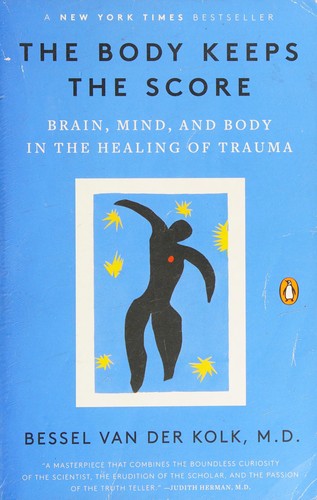
The ACE Study provides the population-level confirmation of what van der Kolk argued at the individual clinical level: the body keeps the score. Childhood trauma does not remain a psychological memory that fades with time; it inscribes itself in the body’s physiology — in the cardiovascular system, the immune system, the endocrine system, and the nervous system — and produces disease decades later through both behavioral pathways (the traumatized child grows into the smoking, drinking, overeating adult) and direct biological pathways (chronic stress activation, persistent inflammation, telomere shortening, epigenetic modification). The ACE Study demonstrates that these pathways are not exceptions but norms: the majority of the leading causes of death in adults are substantially attributable to experiences that occurred in childhood. Medicine has been treating the downstream consequences of developmental trauma without recognizing the upstream cause.
Trauma as Public Health Crisis
The paper’s most radical implication is epidemiological rather than clinical. If childhood adversity produces adult disease through graded dose-response pathways, then the leading causes of death are not primarily diseases of lifestyle, genetics, or aging but diseases of development — predictable consequences of what happened to individuals as children, not what is wrong with them as adults. This reframing has enormous consequences for public health policy, clinical training, and the moral framework within which medicine operates. The obese patient is not failing at willpower; they are carrying the somatic weight of unmetabolized developmental pain. The addicted patient is not morally deficient; they are self-medicating a wound that occurred before they had the capacity to articulate it. The cardiac patient’s artery is not randomly occluding; it is the downstream expression of a nervous system that has been running in threat mode for decades.
The Depth Psychological Bridge
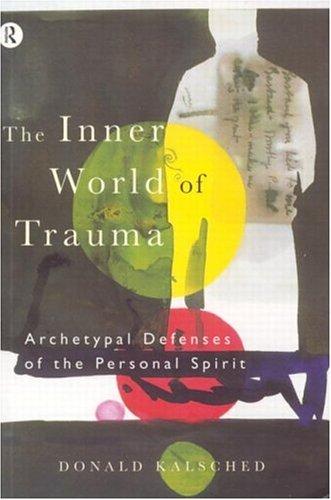
For depth psychology, the ACE Study validates a central premise: that the psyche and the soma are not separate systems but a single organism, and that psychological wounds produce physical disease not metaphorically but mechanistically. Kalsched’s account of the self-care system’s archetypal defenses, Herman’s stages of trauma recovery, and van der Kolk’s neurobiology of traumatic stress all describe at the individual level what Felitti documents at the population level. The ACE Study gives the depth tradition’s clinical intuitions the epidemiological scale they need to influence public policy — and it gives clinicians working with trauma the most powerful argument available: that addressing childhood adversity is not a psychological luxury but a medical necessity.
Sources Cited
- Felitti, V. J., Anda, R. F., Nordenberg, D., Williamson, D. F., Spitz, A. M., Edwards, V., Koss, M. P., & Marks, J. S. (1998). Relationship of childhood abuse and household dysfunction to many of the leading causes of death in adults. American Journal of Preventive Medicine, 14(4), 245–258.
- van der Kolk, B. (2014). The Body Keeps the Score. Viking.
- Herman, J. L. (1992). Trauma and Recovery. Basic Books.