Seba.Health
Key Takeaways
- The ego-Self axis is the central structural concept of Jungian psychology — the dynamic, evolving relationship between conscious identity and the transpersonal center of the psyche.
- Individuation proceeds through cycles of ego-Self separation and reunification, not as a single heroic journey but as a repeating spiral of inflation, alienation, and renewed connection.
- Edinger demonstrates this developmental pattern through myth, religious symbolism, and clinical material, making the abstract architecture of analytical psychology concrete and recognizable.
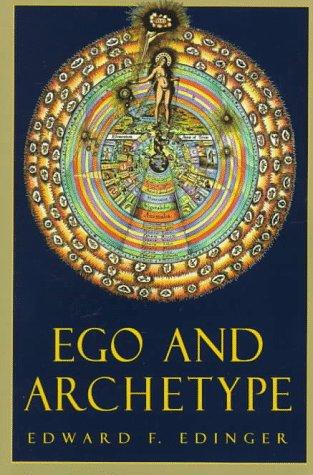
If there is a single book that makes the structural logic of Jungian psychology accessible without sacrificing its depth, it is Edward Edinger’s Ego and Archetype. Published in 1972, it remains the clearest exposition of what Edinger identifies as the central concept in analytical psychology: the ego-Self axis, the living, dynamic relationship between the conscious personality and the transpersonal center of the psyche that Jung called the Self.
The Ego-Self Axis
Edinger’s key insight is developmental. The relationship between ego and Self is not static; it evolves through a characteristic pattern that he traces across the entire lifespan. In infancy, ego and Self exist in an undifferentiated unity — the child lives in a state of unconscious wholeness, embedded in the archetypal matrix without awareness of it. As consciousness develops, the ego separates from the Self, and this separation is both necessary and painful. It produces the condition Edinger calls alienation: the experience of being cut off from meaning, from the numinous ground of psychic life.
But separation is not the end of the story. What follows, if development proceeds, is a conscious reunification — a return to the Self that is qualitatively different from the original unconscious unity because it is now mediated by awareness. This cycle of inflation (unconscious identification with the Self), alienation (painful separation), and conscious reunion does not happen once. It repeats throughout life, each iteration deepening the relationship between ego and Self, each round of suffering serving the larger project of individuation.
Myth as Psychological Map
Edinger substantiates this developmental schema not through abstraction but through sustained engagement with mythological and religious symbolism. The Fall narrative in Genesis, the labors of Hercules, the Passion of Christ — each becomes legible as a depiction of the ego-Self dynamic at a particular stage. This is not reductive allegorizing. Edinger reads these images as phenomenological records of psychic experience, and his readings carry clinical weight because they illuminate patterns that appear in the consulting room with striking regularity.
Significance
This book lays the structural foundation on which everything else in Jungian psychology rests. Without a working understanding of the ego-Self axis, the concepts of shadow, anima, individuation, and the religious function of the psyche remain disconnected fragments. Edinger supplies the architecture that holds them together.
Sources Cited
- Edinger, E.F. (1972). Ego and Archetype: Individuation and the Religious Function of the Psyche. Shambhala. ISBN 978-0-87773-576-2.
- Jung, C.G. (1951). Aion: Researches into the Phenomenology of the Self. Collected Works, Vol. 9ii. Princeton University Press.