 Seba.Health
Key Takeaways
- Hamaker-Zondag reads the tarot not as a fortune-telling device but as a symbolic language of the psyche, grounded in Jungian archetypal theory.
- The Major Arcana sequence — from the Fool to the World — maps directly onto the individuation process, from unconscious potential through confrontation with shadow, anima/animus, and Self.
- The book provides a disciplined method for using tarot as active imagination, turning card spreads into structured encounters with unconscious material.
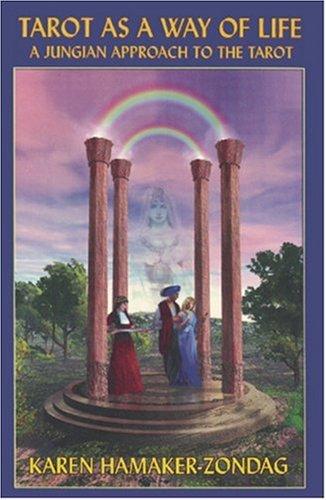
The tarot has an unfortunate reputation in serious psychological circles, associated as it is with carnival fortune-telling and the looser fringes of popular spirituality. Karen Hamaker-Zondag’s Tarot as a Way of Life does not attempt to rehabilitate the tarot by making it respectable. It does something more interesting: it demonstrates that the symbolic structure of the tarot deck is already Jungian in its bones, whether or not the medieval card-makers knew anything about analytical psychology.
The Major Arcana as Individuation Sequence
Hamaker-Zondag’s central argument is that the twenty-two cards of the Major Arcana constitute a developmental sequence that tracks the process Jung called individuation. The Fool, numbered zero, represents undifferentiated potential — the psyche before it has committed to any particular form of consciousness. The Magician and High Priestess introduce the first differentiation of masculine and feminine principles. The Empress and Emperor establish the parental imagos. And so the sequence proceeds, card by card, through encounters with authority (the Hierophant), choice (the Lovers), death of the old personality (the Death card), confrontation with shadow (the Devil), and the eventual integration that the World card represents (Hamaker-Zondag, 1997).
The archetypal patterns that Jung identified in dreams, myths, and fairy tales appear in the tarot with remarkable consistency. The Tower, in which a rigid structure is shattered by lightning, enacts the same psychic catastrophe that Jung described in the breakdown of a one-sided conscious attitude. The Star, which follows it, offers the same quality of renewal that emerges when the ego surrenders its pretense of control.
Tarot as Active Imagination
The more practical contribution of the book is its method. Hamaker-Zondag treats the act of laying out and interpreting a tarot spread as a form of what Jung called active imagination: a structured encounter with unconscious material that uses symbolic images as the medium of dialogue. The cards do not predict the future. They externalize internal configurations, giving the reader a visual field in which to recognize patterns that might otherwise remain below the threshold of awareness.
This is a disciplined practice, not a mystical one. Hamaker-Zondag draws on color symbolism, numerical correspondences, and the I Ching to build an interpretive framework that is rigorous without being rigid (Hamaker-Zondag, 1997). The reader is not told what the cards mean in the abstract but is taught to read them in context, as living symbols whose significance shifts with the question and the questioner.
Sources Cited
- Hamaker-Zondag, K. (1997). Tarot as a Way of Life: A Jungian Approach to the Tarot. Samuel Weiser. ISBN 978-0-87728-878-7.
- Jung, C. G. (1968). The Archetypes and the Collective Unconscious (CW 9i). Princeton University Press.
- Nichols, S. (1980). Jung and Tarot: An Archetypal Journey. Samuel Weiser.